Renting an apartment in Hanoi as an expat can feel overwhelming at first, especially if you’re unfamiliar with the local property market, cultural differences, and legal requirements. Whether you’re relocating for work, starting a new adventure, or planning an extended stay in Vietnam’s vibrant capital, finding the right apartment is crucial to your comfort and success.
Hanoi offers diverse housing options ranging from modern serviced apartments in bustling districts like Ba Dinh and Cau Giay to charming traditional homes in the Old Quarter. The city’s rental market caters to various budgets and lifestyles, but navigating it successfully requires understanding local practices, knowing where to look, and being prepared with the right documentation.
This comprehensive guide walks you through every step of renting an apartment in Hanoi, from setting your budget to registering your temporary residence. By following this roadmap, you’ll avoid common pitfalls, negotiate better deals, and settle into your new Hanoi home with confidence.
Table of Contents
Hanoi is Vietnam’s political and cultural capital, attracting thousands of expats every year thanks to:
Popular expat districts include Tay Ho (West Lake), Ba Dinh, Cau Giay, Nam Tu Liem, and Long Bien, each offering different living experiences.
Before starting the rental process, it’s important to understand the main apartment types available in Hanoi.
Best for short-term stays and busy professionals.
Features:
Most popular choice for long-term expats.
Features:
Ideal for families.
Features:
Before you start browsing listings, establish a realistic budget based on your income and lifestyle needs. Hanoi apartment rental prices vary significantly depending on location, size, amenities, and building type.
Typical Monthly Rental Ranges (2026):

Most landlords require a deposit equivalent to two to three months’ rent, so factor this into your initial costs. Additionally, consider ongoing expenses like utilities, internet, and building management fees, which typically add $50-$150 monthly.
Create a priority list of must-haves versus nice-to-haves. This clarity helps you search efficiently and make faster decisions when you find suitable options.
Location Considerations:
Popular expat districts include Tay Ho (West Lake), Ba Dinh, Hoan Kiem, Cau Giay, and Dong Da. Each offers different advantages. Tay Ho provides a strong international community with lakeside views, while Ba Dinh offers proximity to embassies and government offices. Hoan Kiem puts you in the heart of the Old Quarter’s cultural scene, and Cau Giay delivers modern high-rises near business centers.
Consider your daily commute to work or school. Hanoi’s traffic can be challenging, so living within 5-10 km of your workplace significantly improves quality of life. Check proximity to international schools if you have children, and evaluate access to supermarkets, hospitals, restaurants, and public transportation.
Size and Layout:
Think about your space needs honestly. Vietnamese apartments typically measure smaller than Western equivalents. A 60-70 sqm two-bedroom apartment is standard, while anything above 100 sqm is considered spacious. Open-plan layouts are common in modern buildings, while older apartments often have more separated rooms.
Amenities and Features:
Decide which amenities matter most to you. Modern buildings often include gyms, swimming pools, parking, 24-hour security, and elevators. Kitchen appliances vary widely—some apartments come fully equipped with ovens, dishwashers, and modern appliances, while others offer only basic Vietnamese-style kitchens with two-burner stoves.
Air conditioning is essential during Hanoi’s hot, humid summers. Check if units are installed in all rooms or just bedrooms. Natural light, balconies, and good ventilation add considerable value to your living experience, especially in a city where indoor air quality can be a concern.
Furnished versus Unfurnished:
Most expat-oriented apartments come fully furnished, which is convenient for short to medium-term stays. Furniture quality ranges from basic to luxury. If you’re planning a longer stay or have specific preferences, some landlords offer unfurnished or partially furnished options at reduced rates.
Understanding different apartment types helps narrow your search:
Serviced Apartments offer hotel-like amenities including housekeeping, reception services, and sometimes breakfast. They’re ideal for short-term stays or those seeking hassle-free living, though they’re the most expensive option.
Modern Condominiums in high-rise buildings provide full amenities, professional management, and security. They’re popular among expats and offer a more international living experience with reliable infrastructure.
Walk-up Apartments in smaller buildings (4-8 floors) are common in residential neighborhoods. They’re typically more affordable and offer a more local living experience, though they may lack elevators and extensive amenities.
Villa and House Rentals appeal to families wanting more space, private yards, or ground-floor living. They’re primarily found in Tay Ho, Ciputra, and suburban areas, offering quieter environments away from city center bustle.

Tip: Always view at least 2–3 apartments before deciding.

Foreign nationals can legally rent apartments in Hanoi, but you must hold a valid visa or residence permit. Tourist visas (under 15 or 30 days) rarely suffice for formal lease agreements. Most landlords require work permits, business visas, or temporary residence cards demonstrating longer-term legal status in Vietnam.
Essential Documents for Renting:
Prepare these documents before serious apartment hunting begins:
Passport and Visa: Landlords need copies of your passport’s information page and current visa. They’ll use this information for temporary residence registration and lease documentation. Ensure your visa has sufficient validity—most landlords want at least 3-6 months remaining.
Work Permit or Business Registration: If employed in Vietnam, bring your work permit or employment contract. Self-employed individuals should provide business registration documents or tax registration certificates.
Employment Letter: Many landlords request official letters from your employer confirming your position, salary, and contract duration. This provides financial security assurance, particularly for higher-rent properties.
Financial Proof: For expensive apartments or cautious landlords, bank statements showing stable income or savings may be required. Some accept overseas bank statements with certified translations.
Reference Letters: Previous landlord references or character references from your employer or embassy can strengthen your application, especially for competitive properties.
Rental contracts in Vietnam should be clearly written, preferably in both Vietnamese and English. The bilingual format protects both parties and ensures you fully understand all terms before signing.
Key Contract Elements:
The contract must specify the exact monthly rent amount, payment schedule (typically monthly in advance), and accepted payment methods. Many landlords prefer bank transfers for documentation purposes, though some accept cash.
Lease duration is negotiable. Standard terms are 6 months or 12 months, with 12-month leases offering better negotiating power for rates. Some landlords offer monthly contracts at premium prices, useful for short stays.
Deposit Terms: The deposit amount (usually 2-3 months’ rent) and its refund conditions should be explicitly stated. The contract should specify deductions for damages, cleaning, or unpaid bills, and provide a timeline for deposit return after move-out (typically 30 days).
Included Services and Utilities: Clarify which utilities and services are included in rent versus charged separately. Common arrangements include water and management fees included in rent, with electricity, internet, and cable TV charged based on usage.
Rent Increase Terms: For leases longer than one year, understand annual rent increase provisions. Many contracts specify 5-10% annual increases or tie increases to market rates or landlord discretion.
Termination Clauses: Understand conditions for early lease termination from both sides. Many contracts require 1-3 months notice for either party to terminate. Clarify penalties for breaking the lease early—some landlords forfeit deposits, others charge additional fees.
Maintenance Responsibilities: The contract should specify who handles routine maintenance, repairs, and replacements. Typically, landlords cover structural issues and major appliance repairs, while tenants handle minor damages and cleaning.
Vietnamese law requires all rental properties to be registered with local authorities, and foreigners must complete temporary residence registration at their local police station.
Temporary Residence Registration:
Within a few days of moving in (regulations say within 24 hours, though enforcement varies), you must register your temporary residence. This process requires:
Your landlord must accompany you or provide authorization for registration. Bring your passport, visa, and rental contract to your ward’s police station. The landlord provides their ID and property ownership documents.
Registration typically takes 15-30 minutes and costs nothing. You’ll receive a temporary residence confirmation, which you may need when extending visas or for official procedures.
Some landlords handle this registration as a service, particularly in expat-friendly buildings with management offices. Others expect you to complete it independently, though they must provide necessary documentation.
Understanding Registration Importance:
Don’t skip temporary residence registration despite varying enforcement. It’s legally required and creates official records of your address. This documentation proves residency for visa extensions, work permit renewals, driving license applications, and other official procedures.
Rental prices in Hanoi are often negotiable, particularly for longer lease commitments or during low-demand seasons (typically summer months when many expats leave).
Effective Negotiation Strategies:
Research comparable properties in the same area to understand market rates. Showing knowledge of local prices strengthens your negotiating position. If you’ve viewed similar apartments at lower prices, respectfully mention this.
Offer a longer lease commitment in exchange for reduced monthly rent. Landlords value stable, long-term tenants and often accept 5-10% reductions for 12-month versus 6-month commitments.
Request minor improvements or furniture upgrades as alternatives to rent reductions. If the price is firm, negotiate for additional furniture, new air conditioners, fresh paint, or other enhancements that improve your living experience without directly impacting the landlord’s bottom line.
Timing matters. Apartment hunting during rainy season (June-September) or major holidays (Tet in January-February) often yields better deals as demand drops and landlords worry about vacant properties.
Understanding Vietnamese Negotiation Culture:
Vietnamese business culture values relationship-building and face-saving. Approach negotiations respectfully and indirectly rather than aggressively. Harsh demands or ultimatums typically backfire, while friendly, relationship-focused discussions succeed.
Show genuine interest and appreciation for the property while gently suggesting the price is slightly beyond your budget. Many landlords respond positively to this approach, particularly if they like you as a potential tenant.
Never sign a rental contract immediately, regardless of pressure. Take time to review every clause carefully, preferably with a Vietnamese-speaking friend or legal advisor.
Contract Review Checklist:
Verify all agreed terms appear in writing, including negotiated rent reductions, maintenance agreements, or additional furniture. Verbal promises without written confirmation are unenforceable.
Check the Vietnamese and English versions match exactly. Discrepancies between language versions can create problems later. If you’re uncertain, have the Vietnamese version professionally translated.
Ensure termination clauses protect you reasonably. While landlords need protection against sudden vacancies, overly strict penalties (like forfeiting entire deposits for any early termination) are unreasonable.
Payment Documentation:
Always obtain official receipts for all payments—deposits, rent, and utilities. Proper documentation protects you if disputes arise about payment history.
Photograph or scan the signed contract and all receipts, storing copies separately from originals. Cloud storage ensures you can access important documents anywhere.
Vietnamese law provides basic protections for tenants, though enforcement relies heavily on contract terms rather than extensive tenant protection legislation.
You have the right to peaceful enjoyment of the property without unreasonable landlord intrusions. While landlords can conduct reasonable inspections with notice, they cannot enter without permission except in emergencies.
The landlord must maintain the property in habitable condition, providing functioning plumbing, electricity, and structural integrity. You’re not responsible for normal wear and tear or aging infrastructure issues.
For disputes, the contract’s dispute resolution clause guides the process. Some specify mediation or arbitration before legal action. Understanding these procedures beforehand helps if conflicts arise.
Once your contract is signed and you’ve paid the deposit, begin arranging essential utilities and services before moving in.
Electricity and Water:
Most apartments have existing electricity and water connections. Your landlord should transfer accounts into your name or provide arrangements for you to pay directly to providers or through the landlord.
Electricity bills in Hanoi follow tiered pricing—higher usage incurs higher per-unit costs. Budget approximately $30-$80 monthly for electricity in a standard apartment with regular air conditioner use.
Water costs remain relatively low, typically $5-$15 monthly. Some buildings include water in management fees, so verify your arrangement.
Internet and Cable TV:
Vietnam offers excellent internet infrastructure with reliable, affordable high-speed connections. Major providers include Viettel, FPT, VNPT, and others offering fiber-optic services.
Typical packages range from $10-$30 monthly for 30-100 Mbps speeds sufficient for streaming, video calls, and remote work. Installation usually occurs within 3-5 business days after registration.
Cable TV subscriptions cost $5-$15 monthly depending on channel packages. Many expats skip cable entirely, relying on streaming services like Netflix, which works well on Vietnam’s fast internet.
Before moving your belongings in, conduct a thorough apartment inspection with your landlord present, documenting the property’s condition.
Inspection Checklist:
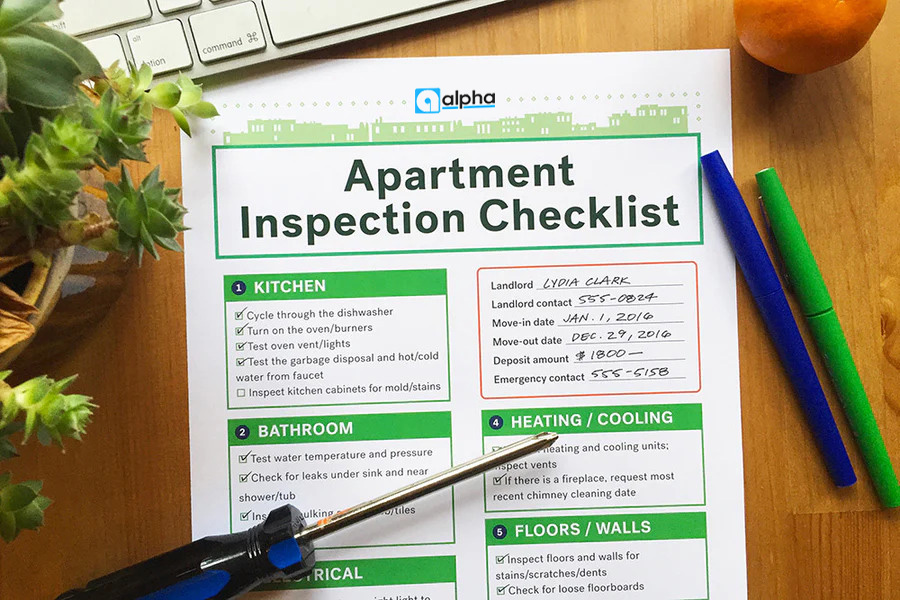
Photograph or video every room, focusing on existing damage, wear, or issues. Document stains, scratches, broken fixtures, or malfunctioning appliances. These records protect your deposit at move-out by proving pre-existing conditions.
Test all appliances, light switches, outlets, and plumbing. Run faucets, flush toilets, check water heaters, operate air conditioners, and test kitchen appliances. Report non-functioning items immediately for repair or replacement before moving in.
Check windows and doors for proper closing and locking. Security is important, so ensure all locks function correctly.
Create a written move-in condition report signed by both you and the landlord. This document serves as the official baseline for assessing apartment condition at lease end.
Hiring Movers:
Hanoi has numerous affordable moving companies. Local movers charge approximately $50-$150 for moving within the city, depending on apartment size and distance. International moving companies handle overseas relocations for expats bringing household goods from abroad.
Get quotes from multiple companies and verify insurance coverage for your belongings. Read reviews from other expats to avoid unreliable services.
Essential Purchases:
Even furnished apartments may lack certain items. Common purchases for new expats include:
Delivery and Assembly Services:
Major retailers like Big C, Metro, and IKEA Hanoi offer delivery services. Grab also provides delivery services for smaller items. Most furniture purchases include free assembly.
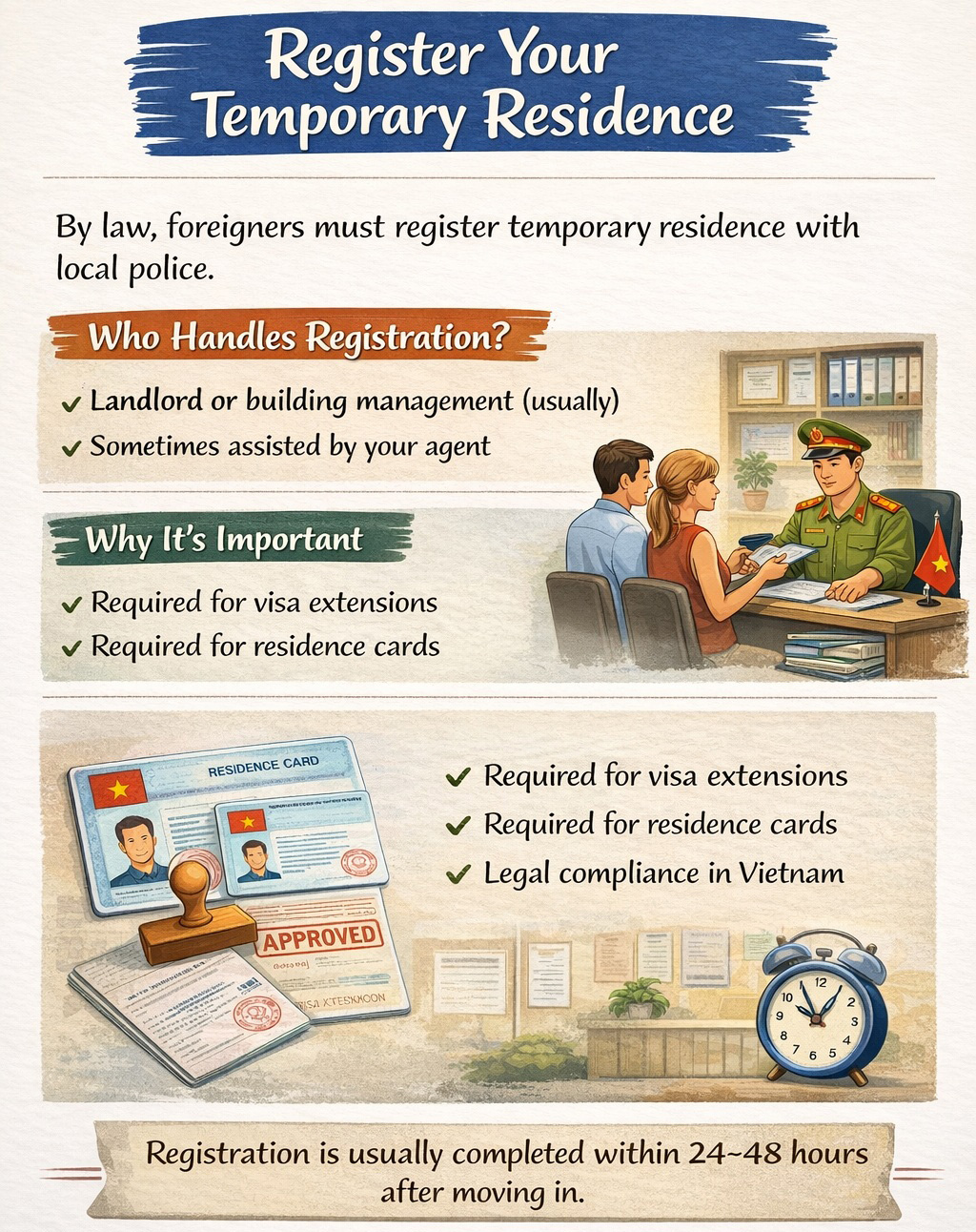
Temporary residence registration is a legal requirement for all foreigners staying in Vietnam beyond tourism. This process registers your address with local police authorities.
Registration Timeline:
Technically, you should register within 24 hours of moving into a new address. Practically, most police stations accept registration within the first few days without penalty, though officially they could enforce fines for delays.
Don’t postpone registration significantly. It’s required for visa extensions, work permit renewals, and various official procedures. Operating without proper registration creates complications later.
Required Documents:
Gather these documents before visiting your local police station:
Visiting the Police Station:
Locate your ward’s police station—your landlord or building management can provide the exact address. Many expat-friendly areas have officers accustomed to processing foreign registrations with some English capability.
Your landlord should accompany you for registration, though some police stations accept landlord authorization letters with copies of their ID if they cannot attend personally.
The registration officer will review your documents, complete forms, and input information into their system. This process typically takes 15-30 minutes.
Registration Confirmation:
Upon completion, you’ll receive a temporary residence confirmation paper showing your registered address. Keep this document safe—you’ll need it for various official procedures.
Some areas provide registration cards or stamps in your passport, though practices vary by ward. Regardless of format, ensure you receive some form of official confirmation.
Re-registration Requirements:
You must re-register if you move to a new apartment or renew your visa. The process remains the same each time, though repeat registrations at the same address (for visa renewals) are typically quicker.
If you travel abroad and return to the same address, technically you should re-register. Enforcement of this requirement varies considerably, with many expats not re-registering after short trips. However, for extended absences (weeks or months), re-registration is advisable.
Some landlords resist registration, particularly those operating without proper business licenses or avoiding taxes. This creates significant problems for you. Explain that registration is legally required for visa extensions and that you cannot stay at an unregistered address. If a landlord refuses, seriously reconsider renting from them despite other attractive factors.
Language barriers can complicate registration at local police stations. Bringing a Vietnamese-speaking friend or colleague smooths the process considerably. Some expat-focused buildings offer registration assistance through their management offices.
Registration is usually completed within 24–48 hours after moving in.
Choosing the right neighborhood dramatically impacts your Hanoi experience. Each district offers distinct characteristics, advantages, and lifestyles.
Tay Ho is Hanoi’s primary expat enclave, home to the largest international community. This lakeside district offers Western restaurants, international schools, expat-friendly services, and a strong sense of community.
Advantages include English widely spoken, access to imported goods, international schools nearby, and active expat social life. The area features beautiful lake views, parks, and relatively quieter streets than central districts.
Considerations include higher rents than other areas, can feel somewhat isolated from authentic Hanoi life, and traffic around the lake during rush hours can be challenging.
Hoan Kiem represents Hanoi’s historic heart, offering the most authentic local experience. Living here puts you in the center of Vietnamese culture, surrounded by ancient temples, street food, and bustling markets.
Advantages include walking distance to everything, incredible food scene, vibrant cultural experiences, and generally lower rents than expat areas.
Considerations include noisy environment (karaoke, traffic, street vendors), narrow streets and limited parking, older buildings with fewer modern amenities, and air quality concerns from traffic.
Cau Giay is Hanoi’s modern business district, filled with high-rise office buildings, shopping malls, and contemporary condominiums. It’s popular among young professionals and offers excellent infrastructure.
Advantages include modern apartments with full amenities, proximity to tech companies and business centers, excellent shopping and dining options, and good public transportation connections.
Considerations include heavily congested traffic during rush hours, less character than older neighborhoods, and can feel impersonal and urban.
Ba Dinh serves as Hanoi’s political and diplomatic center, housing government buildings, embassies, and prestigious addresses. The area is known for wide tree-lined boulevards, historical significance, and well-maintained infrastructure.
Advantages include central location, excellent security, proximity to major hospitals and international schools, and prestigious address for business purposes.
Considerations include expensive rental prices, limited nightlife compared to other districts, and more formal, quiet atmosphere.
Best for: Families, corporate expats
Renting an apartment in Hanoi offers an exciting opportunity to experience life in one of Southeast Asia’s most dynamic and culturally rich cities. While the process requires patience, preparation, and cultural understanding, following this systematic approach ensures you find a comfortable home that meets your needs and budget.
Remember that successful apartment hunting combines research, flexibility, and relationship-building. Take time to understand different neighborhoods, communicate clearly with landlords and agents, and don’t rush important decisions. The perfect apartment balances location, amenities, price, and lease terms aligned with your lifestyle priorities.
By carefully deciding your budget and requirements, thoroughly searching listings and viewing properties, understanding legal and documentation needs, negotiating favorable contract terms, arranging utilities efficiently, and completing your temporary residence registration, you’ll establish yourself successfully in Hanoi. Each step builds toward a smooth transition and enjoyable living experience in Vietnam’s captivating capital.
Whether you’re drawn to the international atmosphere of Tay Ho, the historic charm of the Old Quarter, or the modern convenience of Cau Giay, Hanoi’s diverse rental market offers something for everyone. Start your apartment search with confidence, armed with knowledge, preparation, and realistic expectations. Your perfect Hanoi apartment awaits—now you’re ready to find it and begin your Vietnamese adventure properly prepared for success.
Ready to start your apartment search in Hanoi? Begin by determining your budget, identifying your must-have features, and connecting with the expat community for insider recommendations. Your ideal Hanoi home is waiting to be discovered.

 07/09/2026

Alphahousing is the leading real estate leasing agent in Hanoi. We are a dedicated team of truly passionate, property professionals who understand our clients’ needs and wants.
No. 809, Vuon Dao Building, 689 Lac Long Quan, Tay Ho Dist, Hanoi.
Copyright 2025 | Alphahousing.vn. All Rights Reserved

 Vietnamese